

I am happy to announce a call for papers for our conference at the University of Vienna on September 23rd and 24th, “AI and the Planet in Crisis – Climate, Sustainability, and Global Governance”.
The call and more information can be found here.
I am happy to announce a call for papers for our conference at the University of Vienna on September 23rd and 24th, “AI and the Planet in Crisis – Climate, Sustainability, and Global Governance”.
The call and more information can be found here.
My new book Why AI Undermines Democracy and What To Do About It, is now published by Polity Press!
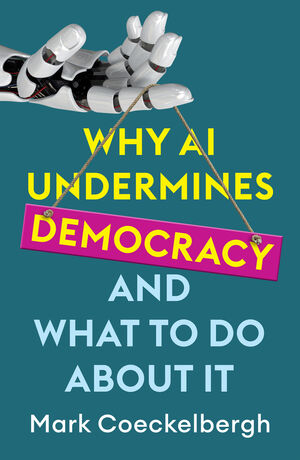
Endorsements:
“An essential read at this watershed moment, Coeckelbergh skilfully shows how the erosion of democratic values is extremely dangerous for us all. Enlightening, thought-provoking, and passionate.”
Ivana Bartoletti, Global Chief Privacy Officer at Wipro, Visiting Fellow at Virginia Tech and founder of the Women Leading in AI network
“Coeckelbergh masterfully shows why the present trajectory of AI is bad for humanity, but also how we can nudge it onto a more democratic course.”
Wendell Wallach Carnegie Council for Ethics in International Affairs
—
Spanish translation forthcoming (publisher: Cátedra)
Finnish translation Miksi tekoäly nakertaa demokratiaa: ja mitä sille voidaan tehdä, published by Terra Cognita
Thursday 9 March, 18:30 – 20:00 (UK time), “Is AI bad for democracy? Analyzing AI’s impact on epistemic agency” for St. Cross Special Ethics Seminar.
Venue: The seminar will be held in the St Cross Room, St Cross College (61 St Giles’, Oxford). https://goo.gl/maps/D9ncpNwRfBP4GQoE6
Abstract: Cases such as Cambridge Analytica or the use of AI by the Chinese government suggest that the use of artificial intelligence (AI) creates some risks for democracy. This paper analyzes these risks by using the concept of epistemic agency and argues that the use of AI risks to influence the formation and the revision of beliefs in at least three ways: the direct, intended manipulation of beliefs, the type of knowledge offered, and the creation and maintenance of epistemic bubbles. It then suggests some implications for research and policy.
Apparently it’s fully booked (with a long wait list) for in-person attendance, but the Zoom webinar link is https://us02web.zoom.us/webinar/register/WN_2PrS4aStRsO-VZlTPpTgwg
Thursday 16 March, 15:00 – 16:30 (UK time), talk for Data Ethics module at Oxford
Tuesday 21 March, 17:00 – 18:15 (UK time), talk on AI & democracy at Royal Institute of Philosophy (Oxford)
Excited to share the news that during the next years I will take up two guest professorships:
The Horizon Europe-funded https://bit.ly/3HtXE97 ERA Chair at the Institute of Philosophy of the Czech Academy of Sciences in Prague where I will help to set up a new international research Center of Environmental and Technology Ethics – Prague (CETE-P)(https://bit.ly/3Bw4APe).
Guest professor at WASP-HS (https://bit.ly/3Wh1whB) and University of Uppsala, where I will have the pleasure to work on our exciting research project “AI Design Futures” with Amanda Lagerkvist, Magnus Strand, and Virginia Dignum.
All this will involve the recruitment of researchers at various levels including PhD vacancies during the next year(s)! Will keep you updated.
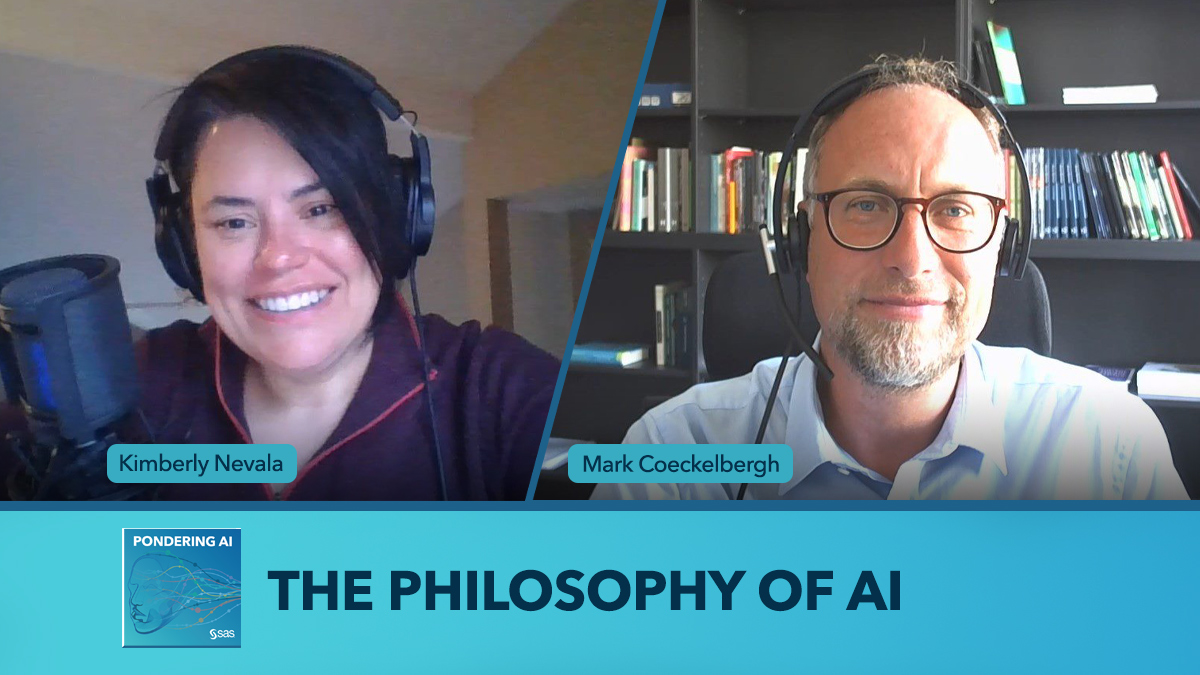
Recently I was interviewed by Kimberly Nevala for this Pondering AI podcast.
You can find the recording on your preferred mainstream channel (Apple, Google, Spotify, Stitcher); the website also has a transcript.
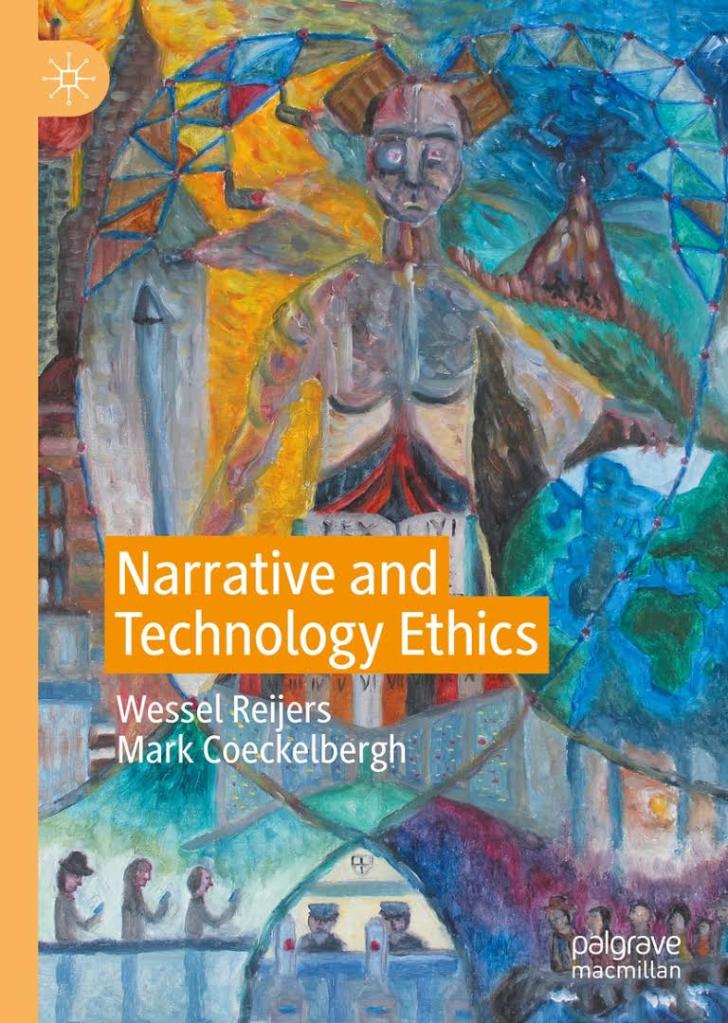
My latest work with Wessel Reijers, Narrative and Technology Ethics, has just been published!
I recently discussed with Tanja Taxler some of the implications of our expectations regarding artificial intelligence I am delighted that the interview was published in the 16 September 2020 edition of Der Standard.


I am happy to announce that my book, AI Ethics, has now been published by MIT Press!
More information about the book can be found here; copies can be ordered directly through MIT Press.


 Mark Coeckelbergh